Why Independent Artists Are Rethinking Annual Music Distribution Fees in 2026

For independent musicians, releasing a song has never been easier. Keeping that song available everywhere, managing costs over time, and choosing a distribution model that still makes sense years later is a different story.
The old subscription mindset is being questioned
For years, many independent artists treated an annual distribution fee as a normal cost of releasing music. The logic was simple: pay a recurring subscription, upload as much as the plan allows, and keep the catalog online. That model still works for many creators, but it is no longer the automatic choice it once was. As artists become more business-minded, they are looking beyond the launch price and asking what a distribution deal costs over the full life of a catalog.
A song can outlive the plan that released it
Music is not a short-term product. A single released today may continue collecting streams, playlist placements, user-generated content, and search traffic for years. That makes recurring distribution costs especially important for artists with large back catalogs. A fee that feels small for one release can become meaningful when multiplied across several years, side projects, collaborations, or multiple artist profiles.
Artists are comparing long-term economics, not just upload features
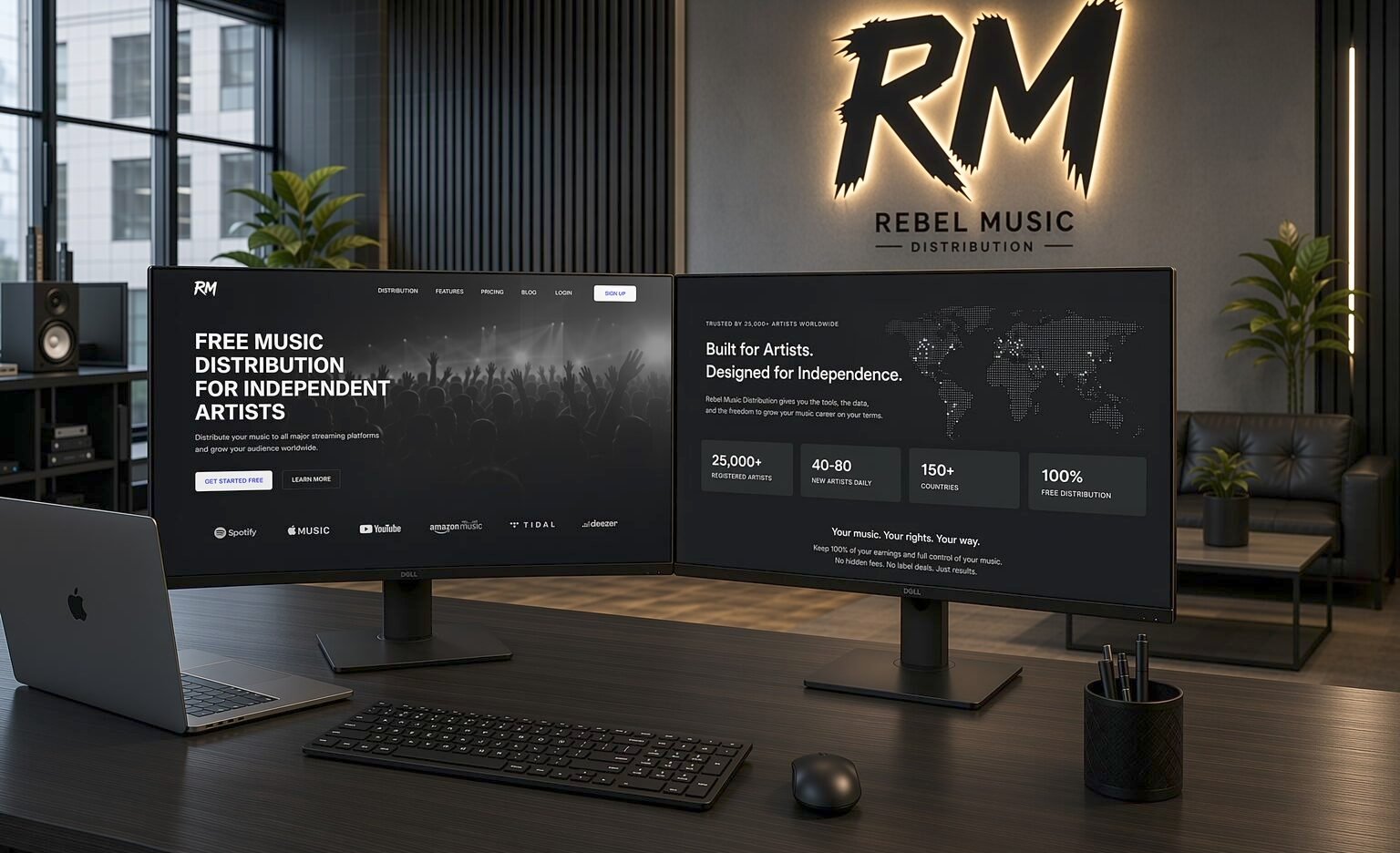
The distribution conversation is becoming less about who can deliver a track to Spotify or Apple Music and more about the structure behind that delivery. Independent artists are increasingly comparing recurring fees, revenue shares, payout thresholds, support quality, content identification tools, metadata flexibility, and what happens if they stop paying for a plan. For musicians who want to reduce recurring overhead, it is worth comparing music distribution options without annual fees and examining how those models handle royalties, support, rights tools, and long-term catalog availability.
The real question is what happens after release day
Distribution is often discussed as if the job ends when the song reaches streaming platforms. In reality, release day is only the beginning. Artists may need to correct metadata, resolve artist-page mapping issues, add new stores, review royalty statements, manage YouTube rights, or move a catalog years later. A cheap upfront plan can become less attractive if basic maintenance creates extra costs or if support is difficult to reach when something goes wrong.
Free does not mean identical
The word “free” can describe very different business models. One service may charge no upfront fee but keep a percentage of royalties. Another may waive annual subscriptions while charging for optional services. Others may offer a free entry tier with limits on features, release speed, catalog size, or support. The useful comparison is not simply free versus paid; it is which costs are fixed, which are optional, and which grow with an artist’s success.
Ownership and flexibility matter more as a catalog grows
Artists with only one or two songs may not think much about portability. Once a catalog grows, the ability to keep metadata organized, preserve identifiers, maintain artist profiles, and change distributors without disrupting existing releases becomes far more important. A distribution agreement should be evaluated as part of a long-term catalog strategy rather than as a one-time upload tool.
Human support still has real value
Automation has made distribution faster, but music metadata is full of edge cases. Two artists can share the same name. A release can land on the wrong profile. Stores can reject artwork or metadata. Rights disputes can appear after a track is already live. In those situations, access to responsive human support can be more valuable than an extra dashboard feature.
The best model depends on the artist
There is no single distribution structure that fits every musician. A high-volume label may prefer predictable subscription costs. A new artist with uncertain release plans may prefer avoiding annual obligations. A creator earning meaningful royalties may focus more on revenue share, payout speed, and rights-management tools. The key is understanding the trade-off before a catalog becomes difficult or expensive to move.
A more mature way to choose distribution
Independent artists are increasingly treating distribution as infrastructure rather than a simple upload service. That means looking at what happens after the first year, how costs behave as the catalog grows, what support is available when problems appear, and whether the business model still works if a release remains active for a decade. The cheapest option on release day is not always the lowest-cost option over the life of the music.
What artists should ask before signing up
Before choosing a distributor, artists should understand whether there are annual or per-release fees, what percentage of royalties they keep, how and when payouts are made, whether releases stay online if a subscription ends, which stores and platforms are covered, how rights-management services are handled, and what charges apply to changes or takedowns. A few minutes spent reading the business model can prevent expensive surprises later.
The bigger shift
The most important change in 2026 is not that one distribution model has replaced another. It is that independent artists have more choices and are becoming more selective about the economics behind them. As the creator economy matures, recurring fees are no longer being accepted automatically. Artists are asking a better question: which model gives their music the best chance to remain available, manageable, and financially sustainable for the long term?