Inside the Modern Music Festival Economy

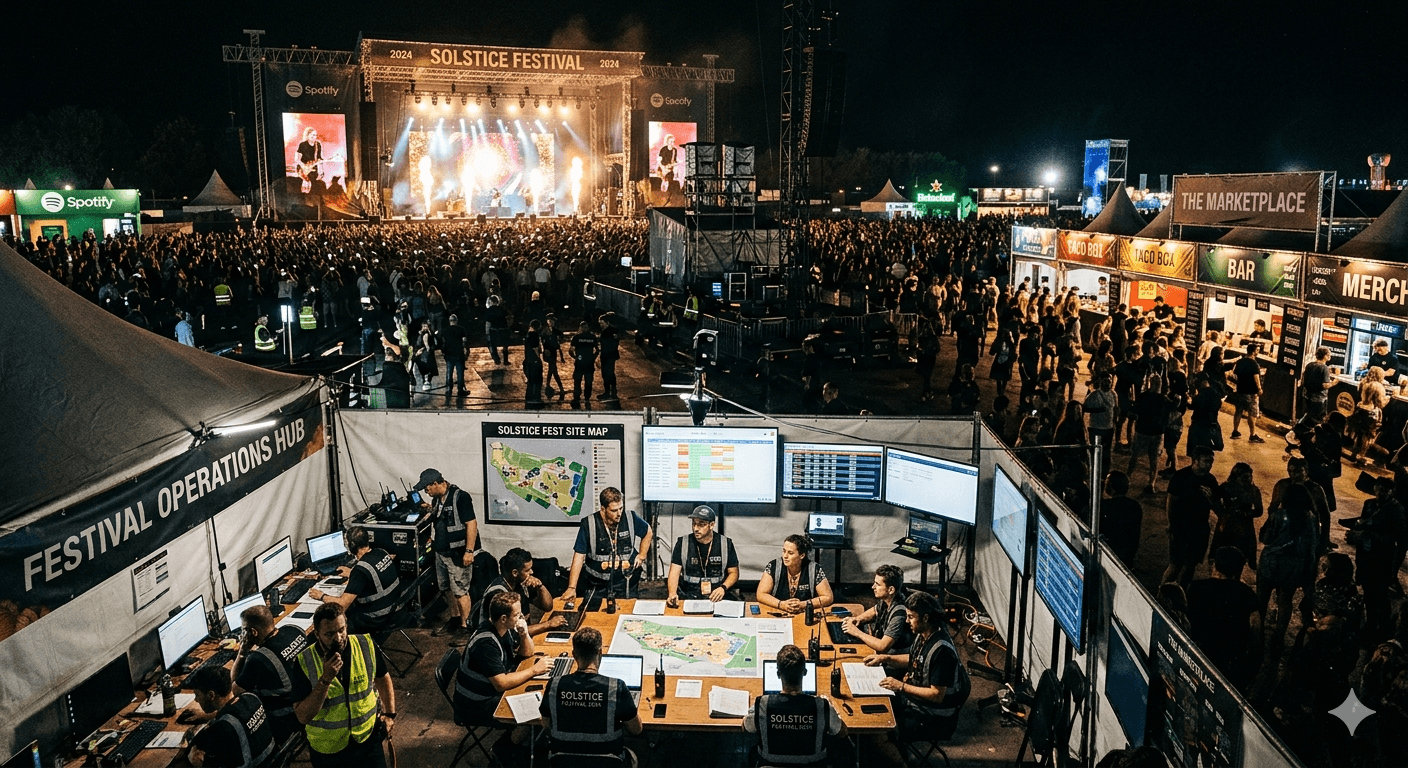
Music festivals have quietly become one of the most complex economic ecosystems in the industry, balancing ticket pricing, sponsorship deals, artist fees, and increasingly thin margins that most attendees never think about. Understanding how that economy actually works reveals a lot about why festivals look the way they do today.
Ticket pricing has climbed steadily over recent years, driven largely by rising production costs and increasingly elaborate stage designs that have become almost expected at major festivals. That pressure trickles down to attendees, who are also increasingly paying for tiered experiences — VIP access, express entry, premium viewing areas — that didn’t exist in the same form a decade ago.
Sponsorship has become an equally critical revenue stream, with brand partnerships now often covering costs that ticket sales alone can’t sustain. That reliance shapes festival programming in subtle ways, from stage branding to which artists get prioritized in marketing based on brand-friendly appeal.
For artists, festival slots remain a significant revenue source, though payment structures vary wildly depending on festival size and an artist’s drawing power. Understanding this economy helps explain everything from lineup announcements to why certain festivals seem to book the same handful of headliners year after year.




Leave a Reply