What the Rise of Independent Distribution Means for the Industry

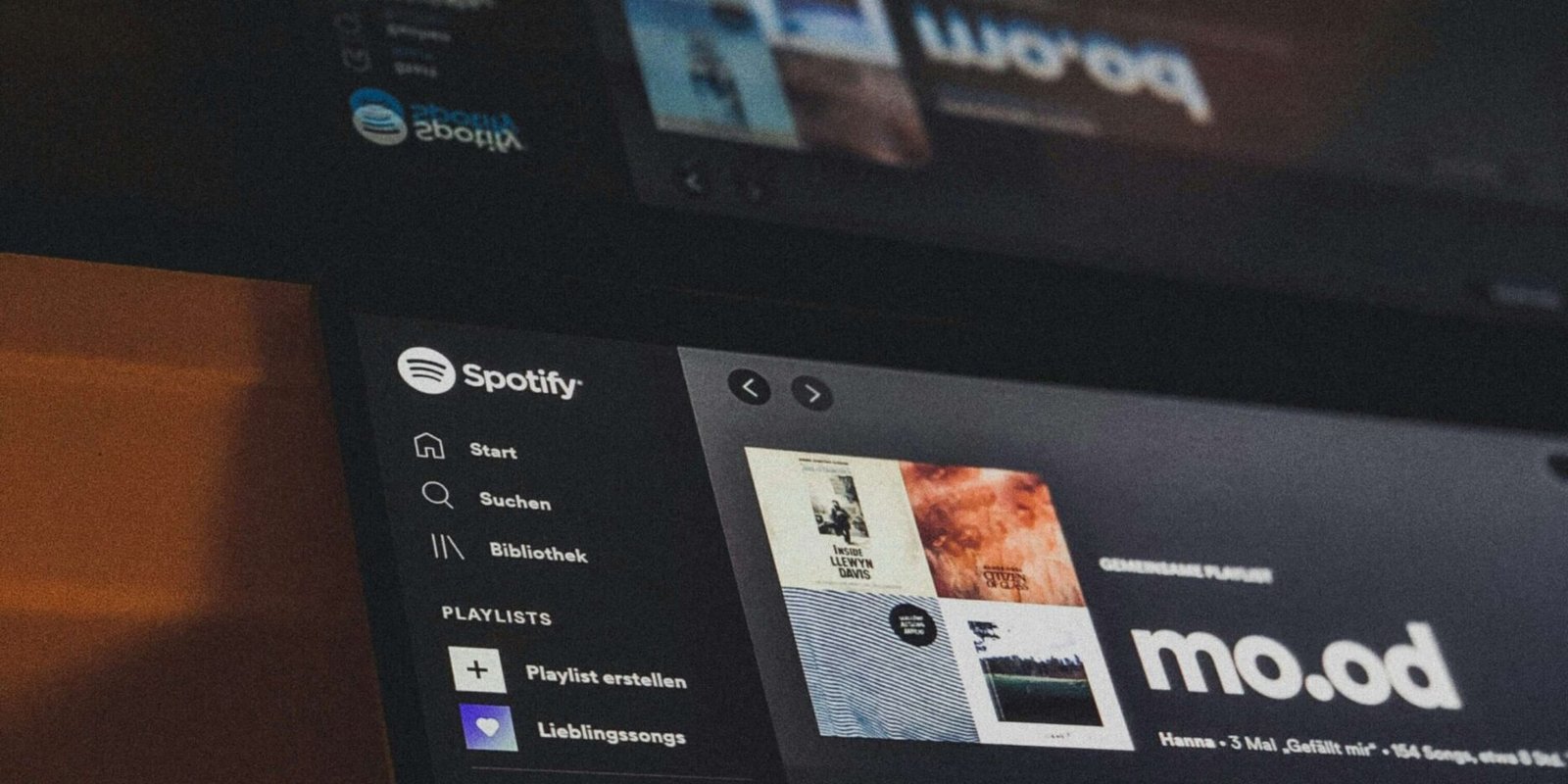
Distribution platforms now allow any artist to release music to major streaming services without a label acting as gatekeeper, removing what was once one of the single biggest barriers to entry in the music industry. That shift has meaningfully changed who gets to release music professionally and on what terms.
On the positive side, accessibility has never been higher — combined with affordable home recording technology, the technical and financial barriers to releasing polished-sounding music have collapsed dramatically compared to even a decade ago. That’s opened the door for far more artists to build a career without ever signing a traditional deal.
The tradeoff is increased competition and noise. With significantly more artists releasing music through the same channels, standing out has become its own ongoing challenge, separate entirely from the challenge of making the music itself. Marketing, social presence, and playlist relationships have become nearly as important as the songs for many artists trying to break through independently.
Whether this shift ultimately favors independent artists more than traditional label structures did remains genuinely debated within the industry — but there’s little disagreement that the landscape independent artists navigate today looks meaningfully different than it did just a few years ago.



Leave a Reply